
What you need before installing a home charger
What to check in your meter, panel and parking spot before installation.
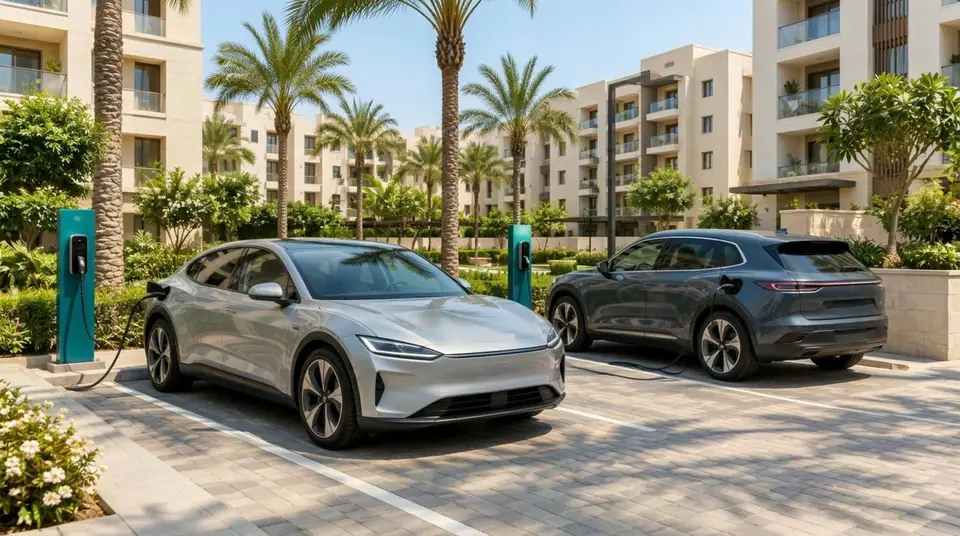
A home EV charger is a relatively simple device, but installing it needs proper electrical preparation. Before you order a charger, review these five points — they are the same questions in the "Is your home EV-ready?" checklist on the Mobility page.
1. A parking spot of your own
The most important requirement is a fixed, private parking spot — an indoor garage, an assigned space in your compound's garage, or a space in front of your villa. The charger is mounted in a fixed place, and the cable must reach your car safely without crossing walkways or your neighbours' spaces.
2. An electrical panel near the parking spot
The charger needs a dedicated electrical line from the distribution panel. The closer the panel is to the parking spot, the simpler the wiring. If the panel is far, installation is still possible but needs longer runs — which is what the technical survey determines.
3. A meter that can handle the extra load
A home charger typically runs at 7 kW or more — a significant load added to your home. A single-phase meter may be enough in some cases, but a three-phase meter gives more flexibility and faster charging. The technical check determines whether your current meter is sufficient or needs an upgrade.
4. Compound approval if you live in one
If you live in a compound, you will usually need the management's approval before installation, especially if the wiring passes through shared areas. Some compounds already have an approved path for this — ask your management early to avoid delays.
5. Do you have solar, or plan to?
Not a requirement, but important information for the design: if you have a solar system or plan to install one, the charging can be designed to use daytime solar production, so you buy less from the grid. Tell the technical team from the start.
What next?
If most of your answers are yes, you are most likely ready for installation. If one or two points are missing, it usually needs light preparation. And if you are not sure, the technical survey is the right step — it is what approved partners carry out before any installation.
Try the "Is your home EV-ready?" checklist on the Mobility page to know where you stand in a minute, then request a home charger when you are ready.