
Energy audit: what does it cover?
What gets inspected in an energy audit and what you receive at the end.
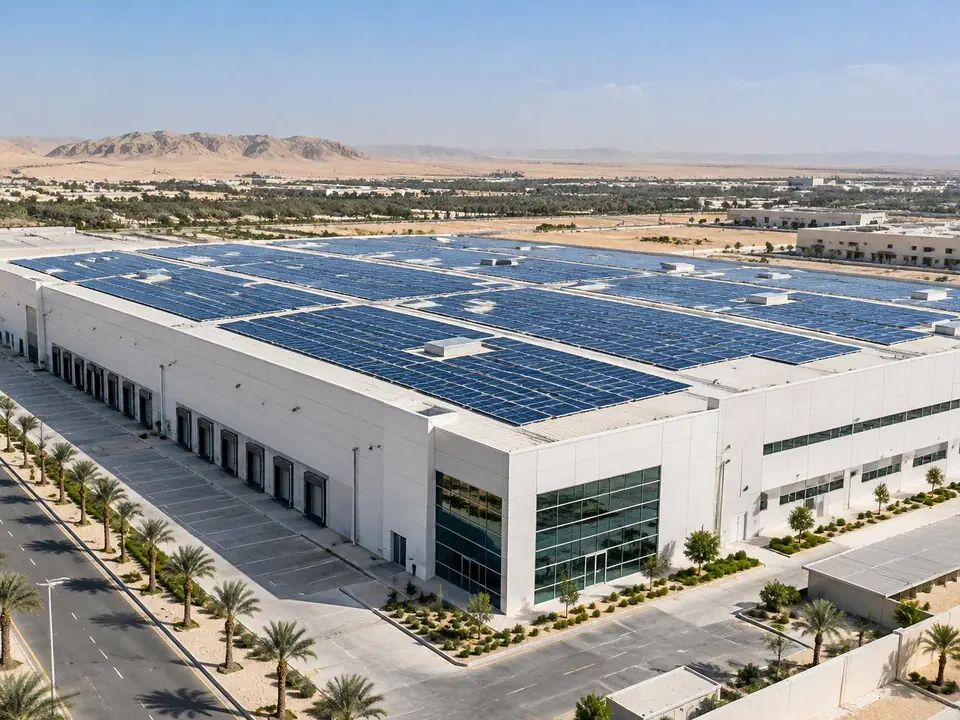
An energy audit is the first step in any serious solar project for a commercial or industrial facility. It is the difference between a decision built on numbers and one built on impressions. This is what it usually covers.
Before the visit: the data
- 12 months of bills: to understand consumption patterns across seasons, not a single month.
- Nature of the activity and operating hours: a day shift? Two shifts? Continuous operation?
- Site and roof drawings, where available.
During the visit: the inspection
- Load profile: when does consumption rise during the day? Does it coincide with solar production hours?
- Roof inspection: net area, roof type and structural condition, shading from nearby buildings or equipment, and possible cable routes.
- Connection point: the main distribution panel and its capacity, and the meter location.
After the visit: the deliverables
You receive a document that typically includes:
- An accurate picture of your current consumption and its patterns.
- The maximum technical system size your site can host.
- The actually recommended size based on your daytime loads.
- Quick efficiency opportunities that need no investment — sometimes meaningful savings before any project.
- The grid-connection path and required approvals.
- The suggested next steps, in order.
What an audit is not
An audit is not a price quote and not a commitment to build. It is an independent study that gives you the right ground to evaluate any offer you receive. The audit scope and fee are confirmed with you before any commitment.
How to start
Request an energy audit from the Business & Industry page, and our team will contact you to confirm the scope. If you want an initial picture first, the Business Readiness Check gives you a quick indication in minutes.